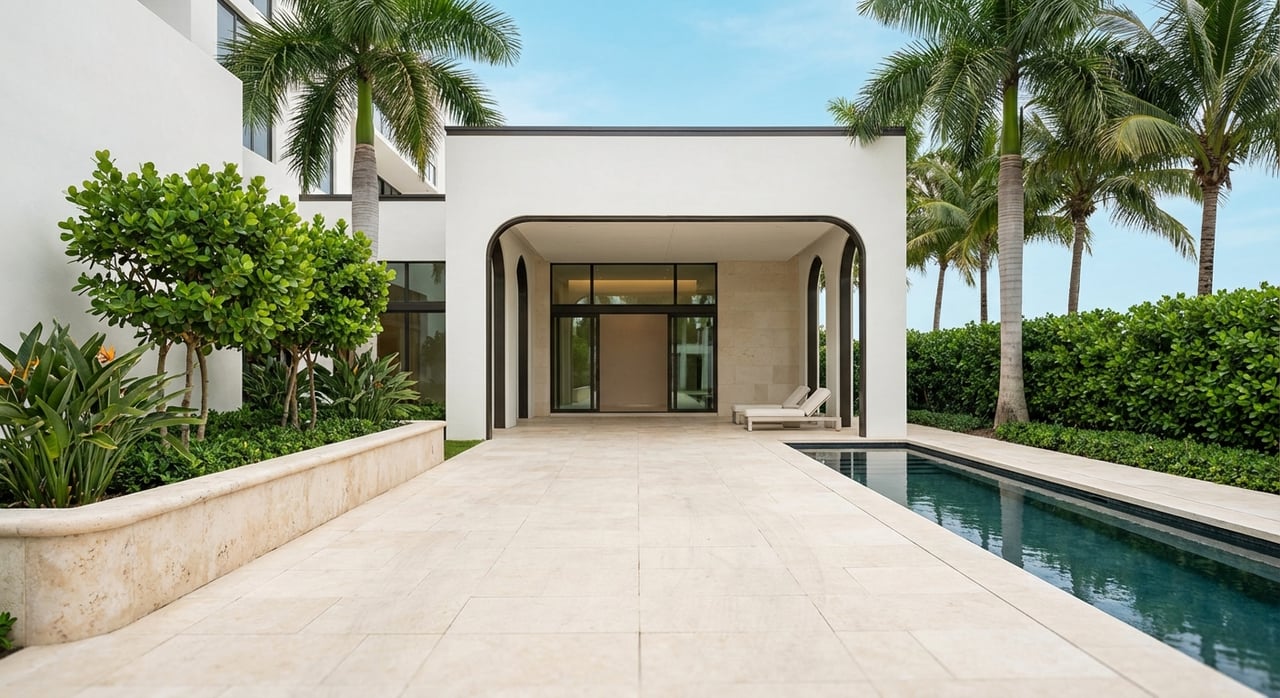
Inside Miami’s Branded Residences and Their Amenities
February 19, 2026
February 19, 2026
Curious what it actually feels like to live in a Miami tower with a famous name on the door? If you are comparing buildings across Miami, Miami Beach, and Brickell, the amenity lists can start to blur together. This guide breaks it down so you know what branded residences are, how services work day to day, which amenities stand out in Miami, and what to verify before you buy. Let’s dive in.
A branded residence is a private condo or apartment sold to individual owners that also carries a luxury brand identity tied to services or design. In Miami, this segment has expanded quickly, and global trackers point to South Florida as a leading market for both existing supply and new pipeline. Industry coverage from Knight Frank highlights that Florida leads U.S. states for branded product, with Miami playing an outsized role in growth and global momentum.
These homes are tied to an operating hotel brand and often mirror hotel service culture. You may see on-site residential staff, a Director of Residences, in-residence dining, spa access, and priority at brand restaurants. A Four Seasons private-residence model, for example, showcases dedicated residential teams and pre-arrival services that set clear service expectations for owners across Florida destinations.
These are linked to fashion, automotive, culinary, or design brands. The brand’s aesthetic drives interiors and amenity curation while day-to-day operations are typically run by the association or a third-party manager. Think curated design, signature furnishings, and wellness-driven common areas, as seen in fashion-branded towers like 888 Brickell by Dolce & Gabbana that emphasize a complete lifestyle identity through design and programming.
Not all branded buildings operate the same. The model you choose affects daily life and your monthly budget.
A hotel operator runs the building’s residential services. Expect staffed lobbies, concierge assistance, and access to spa and F&B outlets. The result is the closest thing to hotel living, backed by formal service standards and brand training typical of Five-Star operators.
Here, the brand licenses its name and contributes to design, but it does not always run daily operations. The association or a specialist manager handles staffing and services while the brand enforces standards through contracts. You get the look and curated lifestyle without a hotel on the other side of the lobby as in fashion-forward projects.
Some projects allow you to place your unit into a rental program, while others prohibit short-term rentals. Rules vary by building and local law. In Florida, transient lodging is regulated, so always confirm city and condo rules before assuming hotel-style renting is allowed under state public-lodging statutes.
Across Miami’s branded landscape, you’ll see a consistent set of services and amenities. What is included in HOA fees versus billed à la carte varies by building, so request sample budgets.
Miami’s best branded towers do not just add more square footage. They build a lifestyle through programming, wellness, and signature brand moments.
Oceanfront projects often deliver residents-only beach access, chair and cabana service, and curated programming that extends your living room to the sand. Boutique properties like Faena House market private beach clubs as a core value driver in the heart of Miami Beach.
Waterfront developments are leaning into marina access, boat concierge, and dockside arrival. A recent highlight is the riverfront flagship for Aston Martin Residences, which pairs signature design with a yachting lifestyle as the brand’s first real estate project.
Expect chef-driven restaurants, private dining clubs, and in-residence culinary service from hospitality names. Miami’s Cipriani-branded residences market food and beverage as a daily convenience and a social anchor through curated programming.
Wellness has gone multi-floor, with spa suites, cold and hot plunge circuits, recovery spaces, and training studios as table stakes in new launches. Fashion-led developments highlight these features as part of a full-body lifestyle aligned with brand aesthetics.
Automotive brands and car-collector buildings market parking innovations as headline features. Porsche Design Tower is the classic example, with a patented car elevator that brings your vehicle directly to your residence level inside an in-unit sky garage.
Beyond hardware, branded projects now emphasize ongoing experiences: residents’ clubs, pop-ups, guest chef series, and artist-in-residence programs. Savills identifies this shift as a retention tool and a key part of the value story in the sector’s latest cycle.
Buyers increasingly ask about impact-resistant glass, flood elevation, and hurricane-ready systems. Industry research encourages brands to show clear resilience strategies because these choices affect insurability and long-term operating costs in coastal markets like Miami.
Branded projects and conventional luxury condos often sit side by side in Miami. Here is how they typically differ, plus the tradeoffs to consider.
Use this quick list when you visit sales galleries or review stack plans and budgets.
These examples show how different brands express lifestyle through amenities. Treat this as a starting point as you compare locations, services, and budgets.
If you love predictable service, curated experiences, and a name that sets expectations, a branded residence can feel like a private club in the sky. The key is to match brand culture, location, program, and budget. Compare service models, read the condominium budget closely, and test how the lifestyle fits your daily routine. When that alignment is right, the value is clear.
If you want help sorting through Miami’s branded landscape or to preview pre‑construction opportunities, reach out for one-on-one guidance. Connect with Alexandra Gonzalez to Request a Private Consultation.
Stay up to date on the latest real estate trends.
Etiam non quam lacus suspendisse faucibus interdum. Orci ac auctor augue mauris augue neque. Bibendum at varius vel pharetra. Viverra orci sagittis eu volutpat.