Bal Harbour Vs Brickell For Branded Living
January 1, 2026
January 1, 2026
Are you torn between a beachfront resort lifestyle and the energy of a walkable city hub? If you’re comparing branded residences in Bal Harbour and Brickell, you’re already aiming high. You want service, strong management, beautiful design, and a home that holds its own in a global market. In this guide, you’ll learn how these two Miami-area locations differ on beach access, amenities, service, value, and everyday vibe so you can choose with confidence. Let’s dive in.
Branded residences are homes linked to a luxury hospitality or lifestyle brand. You get hotel-style services, recognizable design standards, and a management playbook that aims for consistency. Many buyers choose them for turnkey ease, trusted operations, and global cachet that can support rental demand and resale.
They are different from conventional condos in a few ways:
| Factor | Bal Harbour | Brickell |
|---|---|---|
| Beachfront access | Direct, private beach access is common with oceanfront views | No ocean beach; bay and skyline views with waterfront parks |
| Amenities | Resort-style: beach attendants, cabanas, oceanfront pools, wellness, private dining | Vertical urban: rooftop pools, boutique fitness, coworking, branded restaurants and bars |
| Service model | White-glove resort hospitality, privacy-forward | 24/7 urban concierge with business and lifestyle support |
| Pricing pattern | Often higher per SF due to oceanfront scarcity and lower density | High but more variable across new and older towers |
| Lifestyle vibe | Quiet, refined, retail-adjacent, seasonal peaks | Energetic, walkable, restaurant and nightlife-rich, year-round |
| Best fit | Beach-first buyers who value privacy and calm | City lovers who want convenience and vibrant daily life |
| Typical use case | Seasonal retreat and turnkey resort living | Primary residence or pied-à-terre with rental potential |
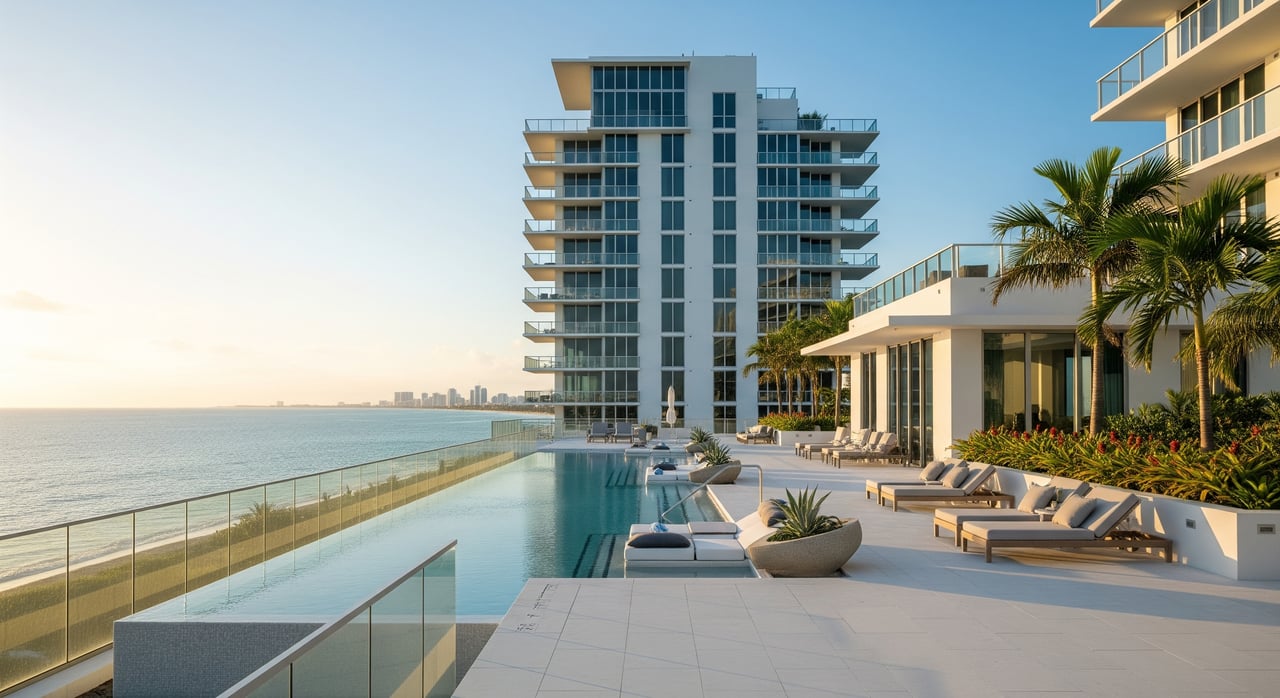
If daily ocean time is a must, Bal Harbour is hard to beat. Many buildings sit directly on the sand and include private beach facilities, attendants, and cabanas. You can step from your tower to the shoreline and treat the Atlantic as your backyard.
Brickell delivers water and skyline views, but not ocean beaches. You’ll find waterfront parks, marinas, and Biscayne Bay vistas. If you prefer walking to dinner, grabbing coffee downstairs, and tapping into a transit-connected core, Brickell fits that rhythm.
Branded residences lean into their setting. In Bal Harbour, amenities feel like a private resort. You can expect oceanfront pools, wellness and spa programs, private club-style dining, and concierge options that sync with luxury retail nearby. Amenity footprints sometimes spread across lush grounds, which helps keep the ambiance serene.
In Brickell, amenities stack vertically to support an urban day-to-day. Think rooftop pools, boutique fitness studios, coworking lounges, screening rooms, and on-site restaurants or bars. Services often include 24/7 front desk, package handling, and business concierge, which appeal to residents who live and work in the neighborhood year-round.
Both areas can deliver hotel-caliber service. Bal Harbour tilts toward white-glove resort hospitality and privacy. Brickell matches that level but with a stronger emphasis on convenience, business services, and social programming.
Before you buy, review the brand and operator agreements. Some buildings share space or services with a hotel. That can influence owner access to amenities, rental options, and fee structures. Understanding who operates what will help you plan your use and costs.
Branded residences often command a premium over non-branded buildings in the same area. The size of that premium depends on the brand’s strength, the specific site, and market timing. Bal Harbour’s oceanfront scarcity and lower density can push per-square-foot pricing higher for comparable luxury product. Brickell’s prices can be strong, but they vary more across building age, finishes, and current supply.
For value, focus on fundamentals: location within the neighborhood, building reputation, service quality and staffing, and how the brand and operator have performed over time. Ask for recent comps, days on market, and the near-term pipeline of new deliveries.
Seasonal buyers often favor Bal Harbour for beach-forward, turnkey living that feels like a private resort. Brickell also works seasonally, especially if you enjoy a dynamic city experience, but it is more oriented to full-time routines.
Year-round residents tend to gravitate to Brickell for its urban connectivity, restaurants, and service infrastructure. Investors like Brickell for rental demand from executives and younger professionals. That said, rental rules vary widely in branded buildings. Some restrict short-term rental or require participation in a brand-run program with a revenue share. Always verify rental rules in the condo documents and operator agreements.
Both locations are coastal and exposed to storm and flood risk. Building elevation, wind mitigation, and hurricane-hardening details matter. Ask for the FEMA flood zone, elevation certificates, impact glass information, and how mechanical systems are protected.
Insurance costs can be higher in branded buildings, especially those with hotel or complex operations. Get a sample insurance quote early and review the HOA’s reserves and special assessment history. If you plan to rent, review applicable short-term rental rules and licensing requirements in Miami-Dade County and the City of Miami, and confirm how the building’s brand and operator govern rental activity.
Use this list to keep your process focused and thorough:
Ask yourself these questions to clarify the right fit:
If your answers point to beach-first living, Bal Harbour’s resort-style branded residences will likely align. If your answers favor a connected, urban experience with strong year-round services, Brickell is a compelling match.
The best way to decide is to tour both neighborhoods during peak and off-peak seasons, compare two or three buildings side by side, and review sample HOA budgets and rental policies. A clear picture of costs, rules, and day-to-day feel will help you move forward with confidence.
If you want a trusted advisor who works with international and seasonal buyers across the South Florida luxury market, reach out for private guidance and on-the-ground insight. Connect with Alexandra Gonzalez for a personal consultation and curated property list.
Stay up to date on the latest real estate trends.
Etiam non quam lacus suspendisse faucibus interdum. Orci ac auctor augue mauris augue neque. Bibendum at varius vel pharetra. Viverra orci sagittis eu volutpat.